FC – Facilitator for Change

News

FC - Biannual meeting 2026

Facilitator for Change Successfully Concludes 2026 Bi-Annual Review and Learning Meeting

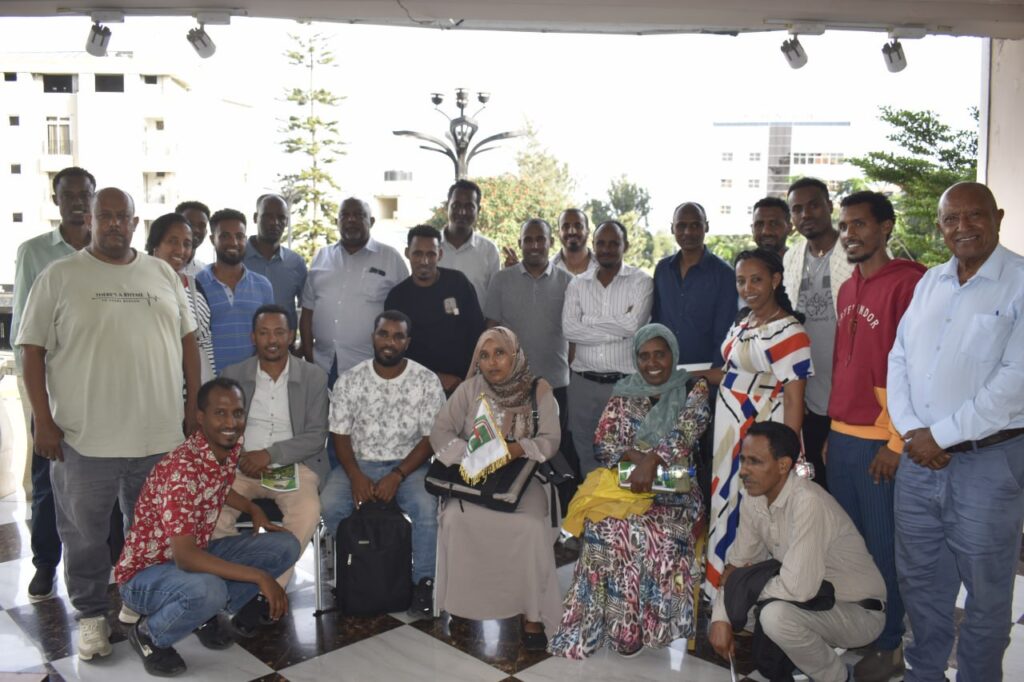
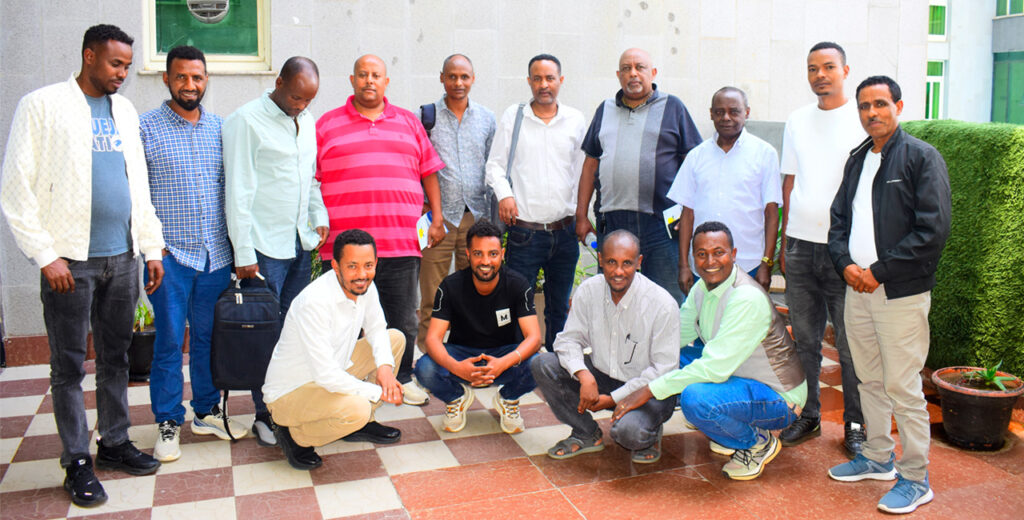
Facilitator for Change Successfully Concludes 2026 Biannual Review and Learning Meeting Adama, Ethiopia | July 22–24, 2026 Facilitator for Change (FC) successfully conducted its 2026 Biannual Review and Learning Meeting from July 22 to 24, 2026, in Adama. The three-day event brought together head office staff, project managers, project officers, and project accountants from FC’s project offices across the Amhara, Benishangul Gumuz, and Oromia regions to review organizational performance, share best practices, strengthen collaboration, and set strategic priorities for the years ahead. Throughout the meeting, project teams presented successful experiences and innovative approaches implemented across their intervention areas. Participants shared practical lessons and evidence-based best practices on child protection, inclusive economic empowerment, women’s resilience, sustainable agriculture, climate-smart farming, humanitarian response, rehabilitation of vulnerable children, organic fertilizer promotion, and community development initiatives. The presentations stimulated meaningful discussions, enabling participants to exchange experiences, identify successful models, and explore opportunities to strengthen program implementation across all projects. The meeting also provided an opportunity for participants to discuss implementation challenges, identify practical solutions, and strengthen collaboration across project teams. In addition, participants attended technical sessions on results-based reporting, financial reporting procedures, documentation and photography techniques, FC’s new Strategic Performance Management (SPM) framework, and future resource mobilization strategies. The Biannual Review and Learning Meeting concluded with a renewed commitment to strengthening organizational learning, promoting innovation, enhancing accountability, and working collaboratively to deliver greater and more sustainable impact for children, women, youth, farmers, and communities.

Facilitator for Change Successfully Concludes 2026 Bi-Annual Review and Learning Meeting Read More »

Project launching

FC Expands Its Reach to Benishangul-Gumuz with the Launch of the Bright Future for Children Project

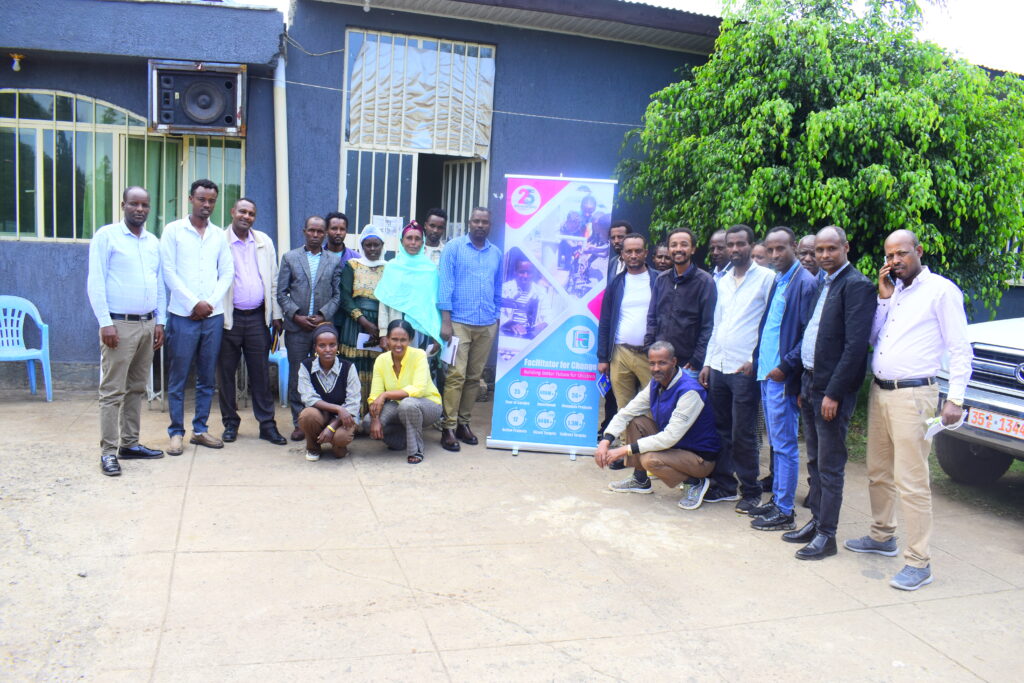
FC Expands Its Reach to Benishangul-Gumuz with the Launch of the Bright Future for Children Project   Facilitator for Change (FC) has officially launched the Bright Future for Children – Integrated Community Development Project, marking an important new chapter in the organization’s longstanding commitment to improving the lives of children, families, and communities across Ethiopia. The project launch workshop brought together key stakeholders, partners, government representatives, community actors, and other relevant institutions to introduce the project, build a shared understanding of its objectives, and strengthen collaboration for effective implementation. A New Chapter for FC For many years, Facilitator for Change has worked alongside communities and stakeholders in Amhara and Oromia Regions, implementing development initiatives that address the needs and rights of children and vulnerable communities. The launch of the Bright Future for Children project represents an important expansion of FC’s operational presence into Benishangul-Gumuz Region. Through this new initiative, FC is taking its experience, partnerships, and commitment to community-driven development to new communities in Ura and Aburamo Woredas. This expansion reflects FC’s continued commitment to reaching communities where children and families face significant barriers to protection, education, and opportunities for a better future. Putting Children at the Centre The Bright Future for Children project is designed to contribute to a future where children in Ethiopia are protected from child rights violations and have improved access to quality primary education. In Benishangul-Gumuz, the project will focus particularly on ensuring that boys, girls, and children with disabilities live in communities where child labour exploitation is not accepted and where inclusive, quality education is accessible to all. The project is scheduled to run from 15 March 2026 to 31 December 2030, providing a long-term framework for working with communities and stakeholders to create sustainable improvements for children. Partnership at the Heart of the Project The launch workshop also provided an important platform for dialogue and coordination among stakeholders. Participants discussed the project’s priorities, implementation approaches, roles and responsibilities, and the importance of coordinated action to achieve meaningful results. FC recognizes that sustainable change cannot be achieved by one organization alone. Strong partnerships with government institutions, communities, civil society organizations, schools, and other stakeholders will therefore remain central to the successful implementation of the project. Building on Experience, Reaching New Communities The launch in Benishangul-Gumuz is more than the beginning of a new project. It represents the continuation of FC’s broader journey of working with communities, strengthening local systems, and creating opportunities for children and families to build safer and more resilient futures. As FC expands its operational footprint, the organization remains committed to learning from its experience, working in partnership with local stakeholders, and ensuring that communities are at the centre of development processes. With the launch of the Bright Future for Children project, FC looks forward to building new partnerships, strengthening community action, and contributing to a brighter and more inclusive future for children in Benishangul-Gumuz. Together, we can create communities where every child is protected, included, and given the opportunity to learn, grow, and thrive. Read More

FC Expands Its Reach to Benishangul-Gumuz with the Launch of the Bright Future for Children Project Read More »

FC FAO exprience sharing

FC partnering with FAO delivered practical and theoretical vermicompost and Conventional compost production Training.

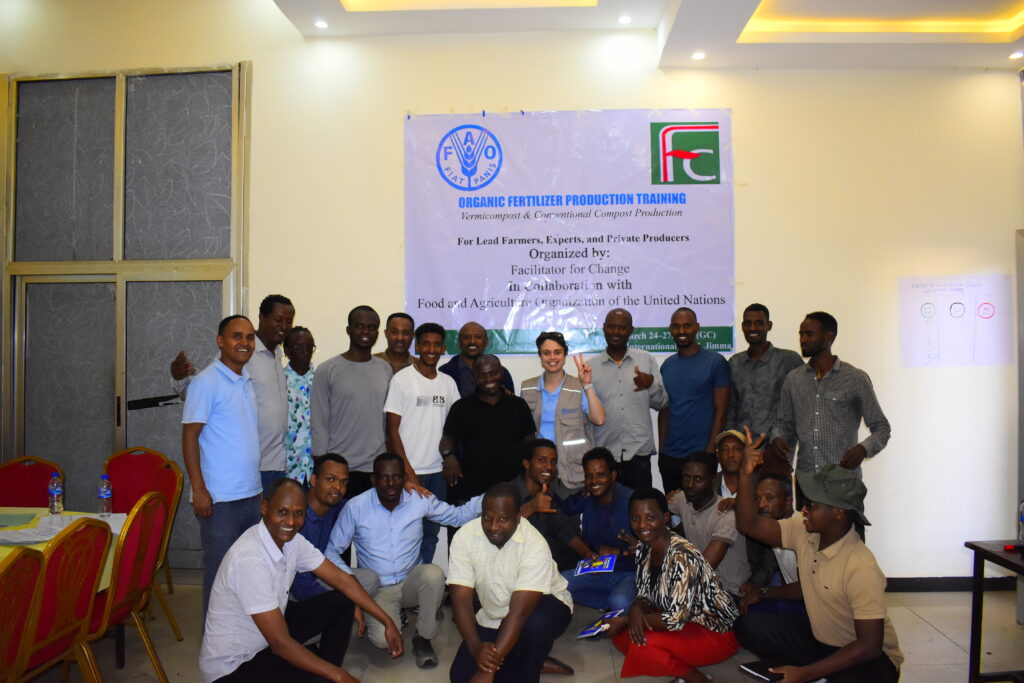
FC partnering with FAO delivered practical and theoretical vermicompost and Conventional compost production Training. Facilitator for Change (FC), in partnership with the Food and Agriculture Organization of the United Nations (FAO), successfully delivered a comprehensive training supported by experiences exchange, and practical attachment on vermicompost, Vermiwash and conventional compost production and utilization for sustainable agriculture for four days (March 24-27, 2026) in Jimma Town. The initiative brought together Model farmers, agricultural experts and private producers from Ethiopia and Rwanda, creating a unique platform for cross-country experience and knowledge exchange. In the way forward, FC will continue following-up the trainees to provide technical and job support to ensure successful adoption of effective composting practices among participants. The organization remains committed to scaling up such initiatives in collaboration with FAO and other partners. Photos from Compost Preparation, Experience Sharing, and Practical Training Practical training of compost Wet material preparation Demonestration Dry Material preparation

FC partnering with FAO delivered practical and theoretical vermicompost and Conventional compost production Training. Read More »

FC - Biannual Management meeting 2025

FC Management Team Holds Biannual Strategic Meeting in Hawassa

FC Management Team Holds Biannual Strategic Meeting in Hawassa ? Hawassa, Ethiopia | June 4–6, 2025 Facilitator for Change (FC) successfully conducted its biannual Management Team Meeting from June 4 to 6, 2025, in Hawassa, bringing together both the Core Management Team—comprising senior leadership based at the Head Office—and the Full Management Team, including project managers from all regional coordination offices. This high-level, three-day strategic meeting provided a platform for in-depth reflection, learning, and planning. It was convened at a critical juncture, as the organization approaches the final year of its 2021–2025 Strategic Plan. The gathering aimed to assess the organization’s progress, identify gaps, and set a clear direction for the future, particularly the formulation of FC’s next five-year strategy (2026–2030). Key Objectives and Focus Areas The overarching goal of the meeting was to evaluate organizational performance and set actionable directions based on findings and insights. The team engaged in a comprehensive review of: ? Program and Project Performance Project managers and technical staff presented achievements, challenges, and lessons learned from across FC’s operational areas in the Oromia and Amhara regions. Discussions focused on the effectiveness of interventions, results achieved against planned outcomes, and innovations that emerged from the field. ? Strategic Plan Review With the current strategic plan nearing completion, the team assessed what has worked well and what requires improvement. This included an early consultation on the priorities and thematic focuses for the next five-year Strategic Plan (2026–2030). ? Partnerships and SLOT Analysis Given the shifting donor landscape and increased competition for funding, the meeting included an in-depth SLOT (Strengths, Limitations, Opportunities, and Threats) analysis of FC’s partnerships. The discussion explored how to retain long-term partners, meet their expectations, and explore new collaborations to expand FC’s impact and resource base. ? Financial Management and Compliance A critical area of focus was the review of financial management practices. The team addressed concerns raised by some donor partners regarding compliance and reporting standards. Concrete action points were proposed to strengthen internal controls, enhance donor confidence, and ensure financial sustainability. ? Audit Findings and Institutional Learning The team examined recurring issues highlighted in audit reports and the lack of follow-through on management letters. There was consensus on the need for improved communication between departments and the adoption of corrective measures to address audit recommendations systematically.   Looking Ahead The meeting concluded with a set of clear “Way Forward” recommendations, including steps to: Launch the development process for the 2026–2030 Strategic Plan; Strengthen financial systems and M&E practices; Revise internal policies for HR, audit follow-up, and donor compliance; Deepen rights-based programming and advocacy; Explore innovative funding mechanisms, including income-generating initiatives and social enterprise models, to support sustainable development. Reaffirming FC’s Commitment This biannual meeting reaffirmed FC’s commitment to its vision of building prosperous and resilient communities. By aligning its operations with national development priorities and the Sustainable Development Goals (SDGs), FC continues to advance child well-being, women’s empowerment, sustainable livelihoods, and environmental stewardship in Ethiopia. Through open dialogue, collaboration, and strategic foresight, the FC Management Team is ensuring that the organization remains adaptive, impactful, and future-ready.

FC Management Team Holds Biannual Strategic Meeting in Hawassa Read More »

Supporting Sustainable Reintegration in Jimma

Empowering Returnees: Supporting Sustainable Reintegration in Jimma

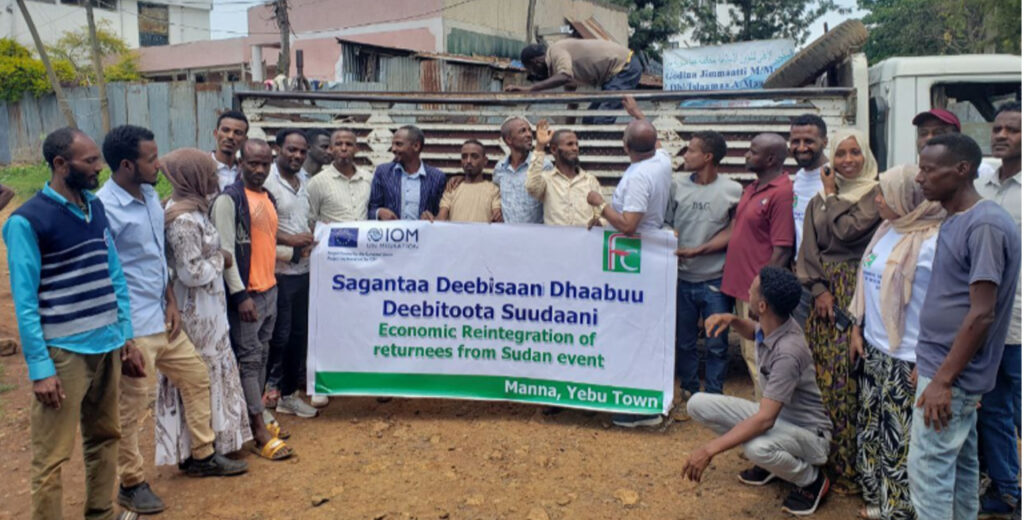
Facilitator for Change (FC), in partnership with the International Organization for Migration (IOM), is implementing a Community-Based Reintegration for Migrants Returning from Sudan project to support returnees in rebuilding their lives and livelihoods. The initiative is being carried out in the Jimma Zone of Kersa and Manna Woredas, with a focus on sustainable income-generating activities (IGAs). Boosting Local Entrepreneurship through Retail and Services The project has helped returnees establish small businesses such as retail shops and stationery services. With the provision of essential startup materials and business support, participants are launching and managing their own enterprises. Returnees have expressed enthusiasm and a strong interest in expanding their businesses, showing increased confidence in their future.   Advancing Youth Employment in Hair Dressing and Mobile Services To promote self-employment among youth, the project supports hairdressing and mobile accessory service providers. Equipment and materials are distributed, and workspaces are prepared to ensure organized and customer-friendly environments. These businesses not only serve local demand but also create new employment opportunities in the community. Promoting Food Service Ventures The initiative also backs restaurant and cafeteria startups by supplying kitchen materials and facilitating the acquisition of initial food inputs. These food service IGAs contribute to both income generation and improved access to meals within the community, particularly in growing urban and semi-urban areas. Sheep Fattening Initiatives As part of the reintegration support, groups engaged in sheep fattening were equipped with livestock (sheep) and startup support. Each group received 25 sheep, purchased with guidance from agricultural experts, along with a two-month living allowance. Beneficiaries also received orientation on managing their income-generating activities effectively. To further strengthen the sustainability of these businesses, FC facilitated the construction of two dedicated sheep fattening shades. Mana Woreda administration provided the land and site plans, enabling proper shelter for the livestock. The new shades offer a safe and organized environment that promotes the healthy growth of the animals. Orientation sessions were conducted to equip the groups with best practices in animal care and fattening techniques.

Empowering Returnees: Supporting Sustainable Reintegration in Jimma Read More »

FC - Classroom-participation

Inspiring Success Stories from the “Awi Srasri ” Project

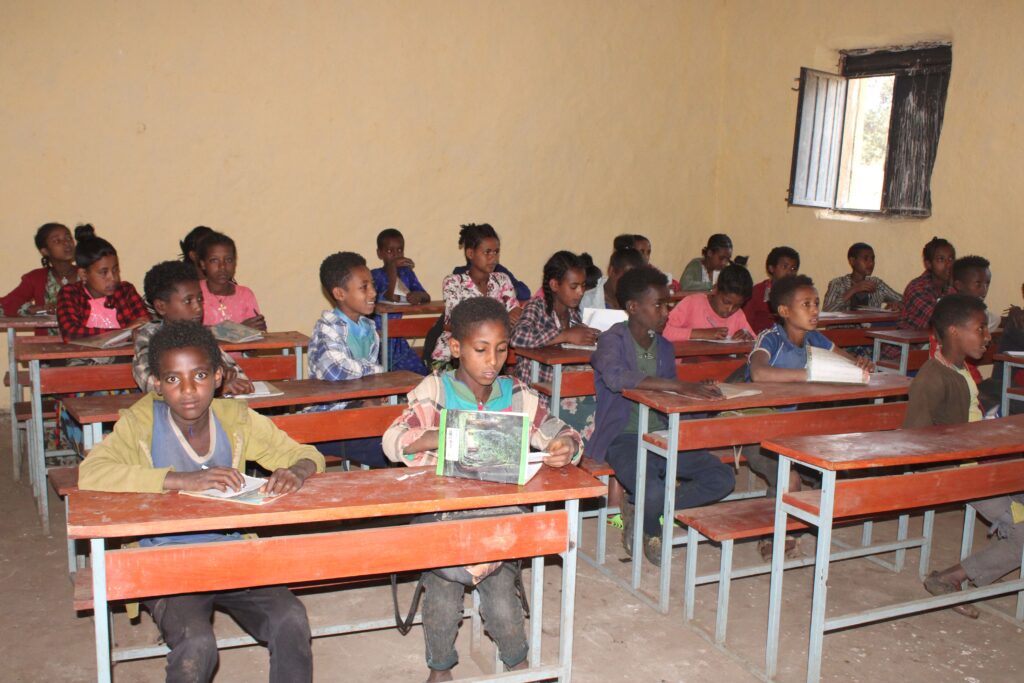
Facilitator for Change is proud to share remarkable success stories from our 2024 project implementation under “Awi Srasri – Building Better Future for Children.” This initiative is aimed at improving the lives of vulnerable children and their families through community-driven interventions in education, livelihoods, and child protection. These stories highlight the powerful impact of collective efforts in transforming the lives of children and caregivers in Awi Zone, Amhara Region. From boosting school attendance through direct support to restoring hope for struggling families with income-generating activities, each case is a testament to the resilience of our communities and the commitment of our partners. ? Highlights from the Stories: Improved school participation among vulnerable children through comprehensive support from the project. Empowered caregivers who have launched small businesses with startup grants and training. Community-based protection mechanisms that are making a real difference in child safety and well-being. Read the Full Stories Here   FC – Awi Srasri – Success case stories These success stories are a snapshot of the positive changes made possible through strong collaboration between local government offices, community structures, and our dedicated project team. Stay connected with us for more updates on how we’re building a better future for children

Inspiring Success Stories from the “Awi Srasri ” Project Read More »

BFP - Project Launching Workshop

FC Launches “Birmadu Folle-II Integrated Community Development Project – Phase II” in Oromia

 Facilitator for Change (FC), in partnership with Kindernothilfe (KNH), officially launched the Birmadu Folle-II Integrated Community Development Project (BF-II ICDP), second phase through a collaborative workshop held at Waliso town of Oromia Regional state. The event gathered key stakeholders from local government offices, community structures, schools, and child-focused institutions to align efforts and jointly commit to creating safe, inclusive, and protective environments for children in the two targeted districts. The BF-II ICDP is a five-year project (March 15, 2025 – December 31, 2029) implemented in the Tole and Illu districts of the South West Shewa Zone, Oromia. This expansion phase builds on the previous achievements of the Birmadu Folle-II first phase project. It focuses on the well-being, protection, and inclusive development of vulnerable children — particularly those out of school, living with disabilities, or at risk of economic exploitation. Project Overview General Objective: To ensure that children live and learn in a safe and friendly environment across the target communities.   Beneficiaries:   Primary school children: 10,270 Economically exploited out-of-school children: 200 Children with disabilities: 100 Pre-school (ECE) children: 400 Total Direct Beneficiaries: 10,920 (5,460 male and 5,460 female)   Project Budget The total budget for the project is ETB 61,327,377.00, of which: ETB 49,857,140.00 is allocated for direct project implementation. ETB 11,470,236.05 is allocated for administrative costs This investment, supported by Kindernothilfe (KNH) – a German-based child rights organization – is expected to significantly enhance child well-being and protection mechanisms in the intervention areas. Workshop Highlights: Orientation on Project Scope: The workshop detailed the objectives, target groups, and expected outcomes of the BF-II ICDP. Community-Based Approach: Emphasis was placed on child participation, community ownership, and integrating local resources into the intervention strategy. Key Focus Areas: Strengthening child protection systems, improving early childhood and primary education quality, and promoting inclusive development through child and youth participation. Stakeholder Commitment: Sector offices, school representatives, and community leaders expressed strong support and pledged collaboration throughout the project’s life span.

FC Launches “Birmadu Folle-II Integrated Community Development Project – Phase II” in Oromia Read More »

FC - Video Conference meeting

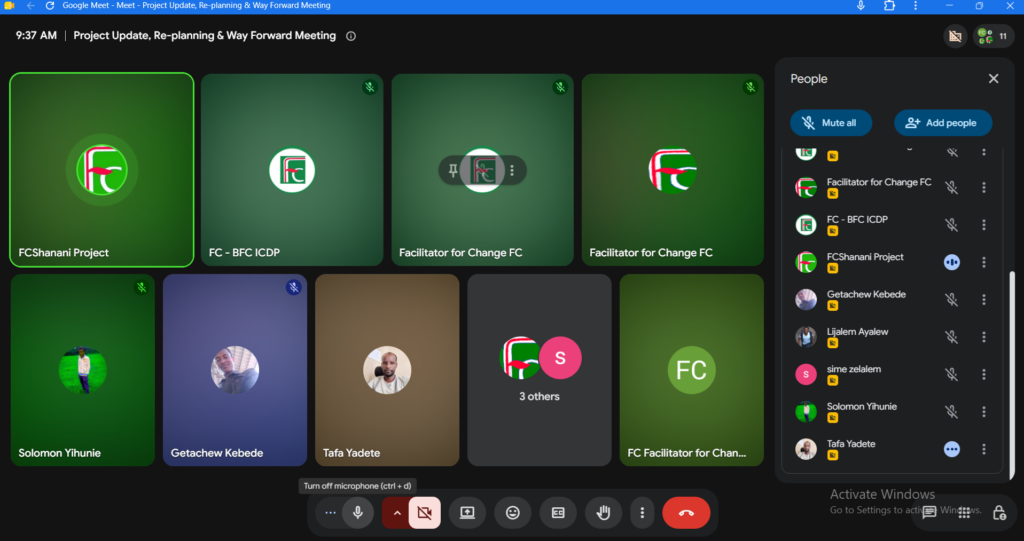
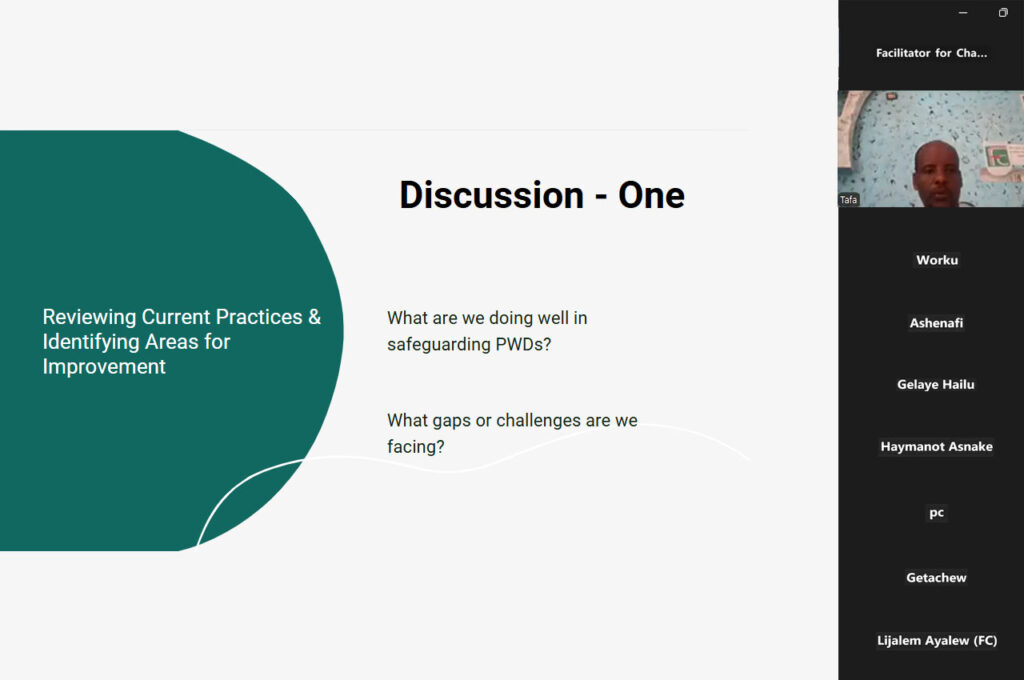
FC Conducts Virtual Refresher Training on Safeguarding with a Focus on CWDs and Reviews the Draft PSEA Policy.

In a significant step toward strengthening protection and inclusion, staff from FC Headquarters and all project offices came together for a collaborative discussion focusing on the safeguarding of Persons with Disabilities (PWDs) — with particular attention to Children with Disabilities (CWDs) — and the review of the Draft Protection from Sexual Exploitation and Abuse (PSEA) Policy. The session aimed to deepen staff understanding of disability-inclusive safeguarding practices, encourage critical reflection on current organizational approaches, and gather input to ensure that the PSEA policy reflects the diverse needs of the communities FC serves. During the meeting, participants: Shared insights and experiences from their respective project contexts Reflected on the increased vulnerabilities of children with disabilities Identified practical steps to strengthen inclusive safeguarding mechanisms Reviewed the Draft PSEA Policy with a focus on clarity, accountability, and accessibility The discussion emphasized the importance of collaborative action, inclusive policy development, and ongoing capacity-building to ensure that safeguarding standards are not only met but truly inclusive of every child, regardless of ability. This initiative reflects FC’s commitment to upholding the rights and dignity of all children and ensuring that our programs are safe, inclusive, and aligned with global safeguarding and disability inclusion standards. Together, we are building a stronger, more accountable system of protection — for every child.

FC Conducts Virtual Refresher Training on Safeguarding with a Focus on CWDs and Reviews the Draft PSEA Policy. Read More »

Persons WIth Disabilities

How FC is Empowering Persons with Disabilities

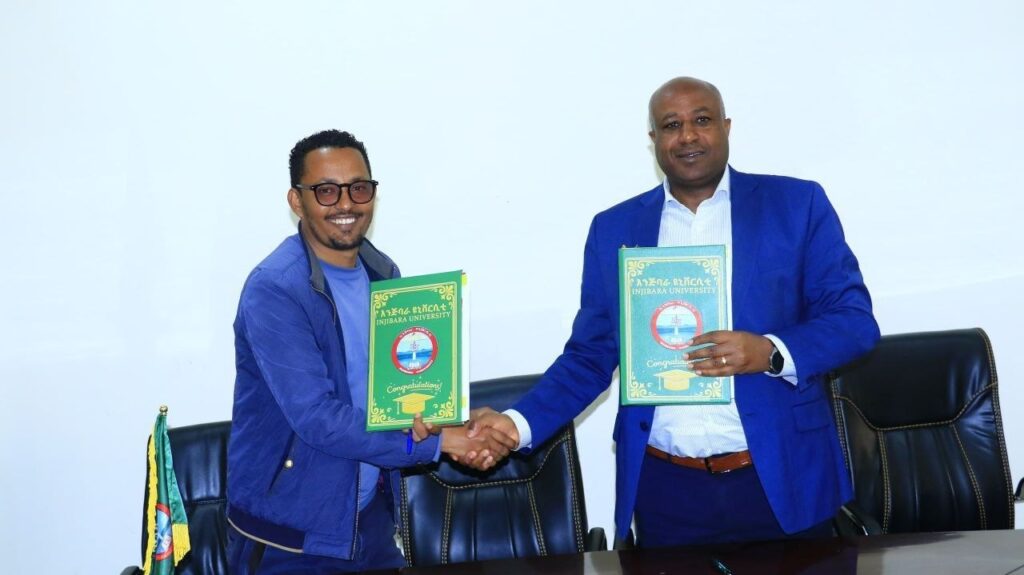
FC Provides psychosocial support to persons with disabilities FC, in partnership with universities, has been providing psychosocial support to persons with disabilities, helping them overcome barriers and build their mental resilience. This enabled them to actively participate in community structures and join various social and cultural groups, such as self-help and village-level associations.  Life skill Training FC has been providing life skills training to people with disabilities, enabling them to identify their needs, assess their capabilities, and choose suitable businesses aligned with their abilities and local market demands. The life skill training boosted their confidence, helping them overcome bad feelings.  Need-based business skill training FC has been providing need-based business skill training to persons with disabilities and families of children with disabilities, focusing on entrepreneurship and vocational skills. As a result, they have successfully engaged in various income-generating activities, both individually and in groups, primarily through self-employment. Provision of assistive devices FC collaborated with stakeholders to enhance accessibility and reduce barriers for persons with disabilities by providing assistive devices. These efforts have empowered PWD’s to improve mobility, pursue education, and engage in livelihood activities.  Startup capital FC provided startup capital to persons with disabilities and families of children with disabilities to address barriers in accessing financial services and livelihood opportunities. This support enabled them to start income-generating activities and enhance their participation in community and economic structures, fostering empowerment and self-reliance. Facilitating Advocacy workshop FC has been facilitating advocacy workshops with stakeholders, including MFIs, OPDs, and TVETs, leading to the signing of Memorandums of Understanding (MoUs) to promote inclusive services for persons with disabilities. These agreements resulted in budget allocations to adapt services and products to meet the needs of persons with disabilities.  Thanks to all our stakeholders, especially Light for the World, for making it possible to reach this milestone in empowering persons with disabilities.

How FC is Empowering Persons with Disabilities Read More »

Shanani ICDP project Launching

FC Launched Consolidation Phase of Sheneni ICD Project in Jimma

Jimma Zone, Oromia National Regional State, June 1, 2024 – Today marks the official launch of the Sheneni Integrated Community Development Consolidation Phase (Phase III) Project, a critical initiative aimed at further enhancing the lives of children and communities in Seka and Mana Woredas of Jimma Zone.   Building on the success of the previous phases, Phase III of the Sheneni Integrated Community Development Project will continue to focus on creating a child-friendly environment and improving the socioeconomic conditions of the local population. This phase is especially significant as it consolidates previous efforts, ensuring sustainable and long-lasting benefits for the community.   The project, generously funded by Kindernothilfe (KNH) with a total budget of 36,294,630.84, will be implemented over the next five years, from April 2024 to March 2029. Phase III of the project has been developed based on the findings phase II project and recommendations provided by the stakeholders, and communities. The Sheneni Integrated Community Development Project will work closely with community-based organizations (CBOs), smallholder farmers, women, children, schools, and other stakeholders in the project area. By engaging these groups, the project aims to achieve its objectives through a collaborative and inclusive approach.   Phase III will focus on consolidating gains from previous phases by enhancing community participation, improving access to essential services, and promoting sustainable livelihood opportunities. The emphasis will be on ensuring that the benefits of the project are deeply rooted in the community, leading to continuing positive changes.   During the launch event, representatives from local government, community and children representatives, and partner organizations expressed their enthusiasm and commitment to the project’s goals. The project is expected to bring about significant positive changes, including better access to quality education, Social and Economic Empowerment of Vulnerable women, Promotion of children’s Rights, House Hold Food Security and Market Promotion, and enhanced economic opportunities for families.   As Phase III begins, the Sheneni Integrated Community Development Project looks forward to furthering its objective of creating a brighter, more sustainable future for children and their communities.

FC Launched Consolidation Phase of Sheneni ICD Project in Jimma Read More »