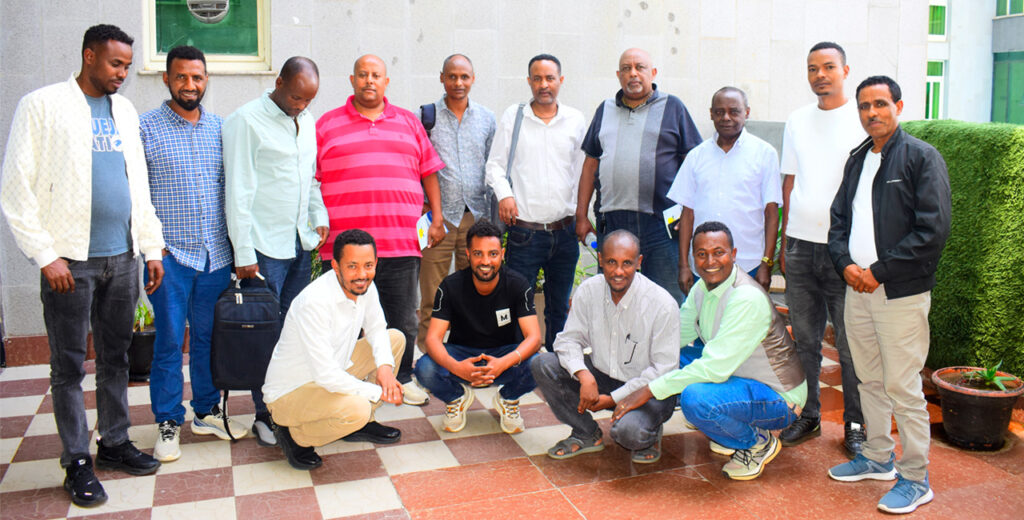
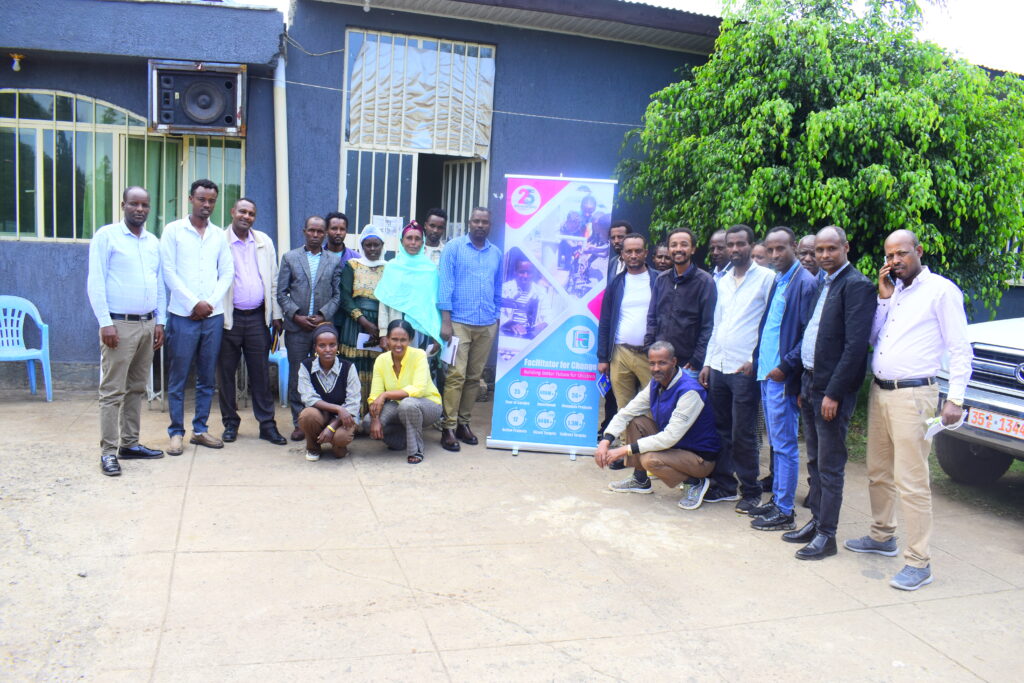
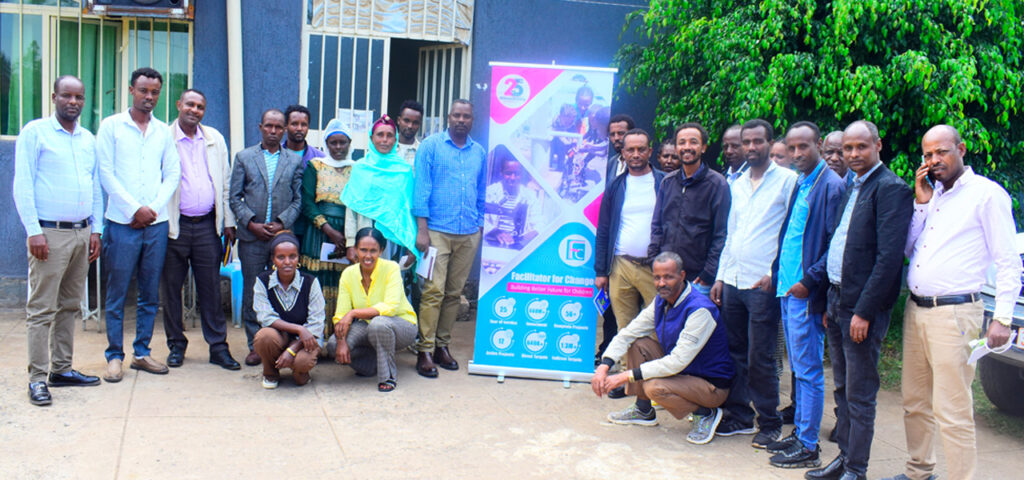
FC Management Team Holds Biannual Strategic Meeting in Hawassa ? Hawassa, Ethiopia | June 4–6, 2025 Facilitator for Change (FC) successfully conducted its biannual Management Team Meeting from June 4 to 6, 2025, in Hawassa, bringing together both the Core Management Team—comprising senior leadership based at the Head Office—and the Full Management Team, including project managers from all regional coordination offices. This high-level, three-day strategic meeting provided a platform for in-depth reflection, learning, and planning. It was convened at a critical juncture, as the organization approaches the final year of its 2021–2025 Strategic Plan. The gathering aimed to assess the organization’s progress, identify gaps, and set a clear direction for the future, particularly the formulation of FC’s next five-year strategy (2026–2030). Key Objectives and Focus Areas The overarching goal of the meeting was to evaluate organizational performance and set actionable directions based on findings and insights. The team engaged in a comprehensive review of: ? Program and Project Performance Project managers and technical staff presented achievements, challenges, and lessons learned from across FC’s operational areas in the Oromia and Amhara regions. Discussions focused on the effectiveness of interventions, results achieved against planned outcomes, and innovations that emerged from the field. ? Strategic Plan Review With the current strategic plan nearing completion, the team assessed what has worked well and what requires improvement. This included an early consultation on the priorities and thematic focuses for the next five-year Strategic Plan (2026–2030). ? Partnerships and SLOT Analysis Given the shifting donor landscape and increased competition for funding, the meeting included an in-depth SLOT (Strengths, Limitations, Opportunities, and Threats) analysis of FC’s partnerships. The discussion explored how to retain long-term partners, meet their expectations, and explore new collaborations to expand FC’s impact and resource base. ? Financial Management and Compliance A critical area of focus was the review of financial management practices. The team addressed concerns raised by some donor partners regarding compliance and reporting standards. Concrete action points were proposed to strengthen internal controls, enhance donor confidence, and ensure financial sustainability. ? Audit Findings and Institutional Learning The team examined recurring issues highlighted in audit reports and the lack of follow-through on management letters. There was consensus on the need for improved communication between departments and the adoption of corrective measures to address audit recommendations systematically. Looking Ahead The meeting concluded with a set of clear “Way Forward” recommendations, including steps to: Launch the development process for the 2026–2030 Strategic Plan; Strengthen financial systems and M&E practices; Revise internal policies for HR, audit follow-up, and donor compliance; Deepen rights-based programming and advocacy; Explore innovative funding mechanisms, including income-generating initiatives and social enterprise models, to support sustainable development. Reaffirming FC’s Commitment This biannual meeting reaffirmed FC’s commitment to its vision of building prosperous and resilient communities. By aligning its operations with national development priorities and the Sustainable Development Goals (SDGs), FC continues to advance child well-being, women’s empowerment, sustainable livelihoods, and environmental stewardship in Ethiopia. Through open dialogue, collaboration, and strategic foresight, the FC Management Team is ensuring that the organization remains adaptive, impactful, and future-ready.